

The internet moves very fast. Trends change every day. Videos go viral in minutes. But not every trend is harmless. One example is the growing search term addison rae deepfake. Many people type this phrase into search engines without fully understanding what it means or why it matters.
This topic is not about gossip. It is about digital safety, online ethics, and respect. Deepfake technology has become more advanced in recent years. It can create very realistic fake videos or images. When a celebrity’s name gets linked to it, the impact can be serious.
In this article, we will explain what deepfakes are in simple words. We will talk about why the phrase addison rae deepfake appears online. We will also explore the risks, legal issues, and ways to protect yourself. Let’s break this down clearly and responsibly.
Who Is Addison Rae?
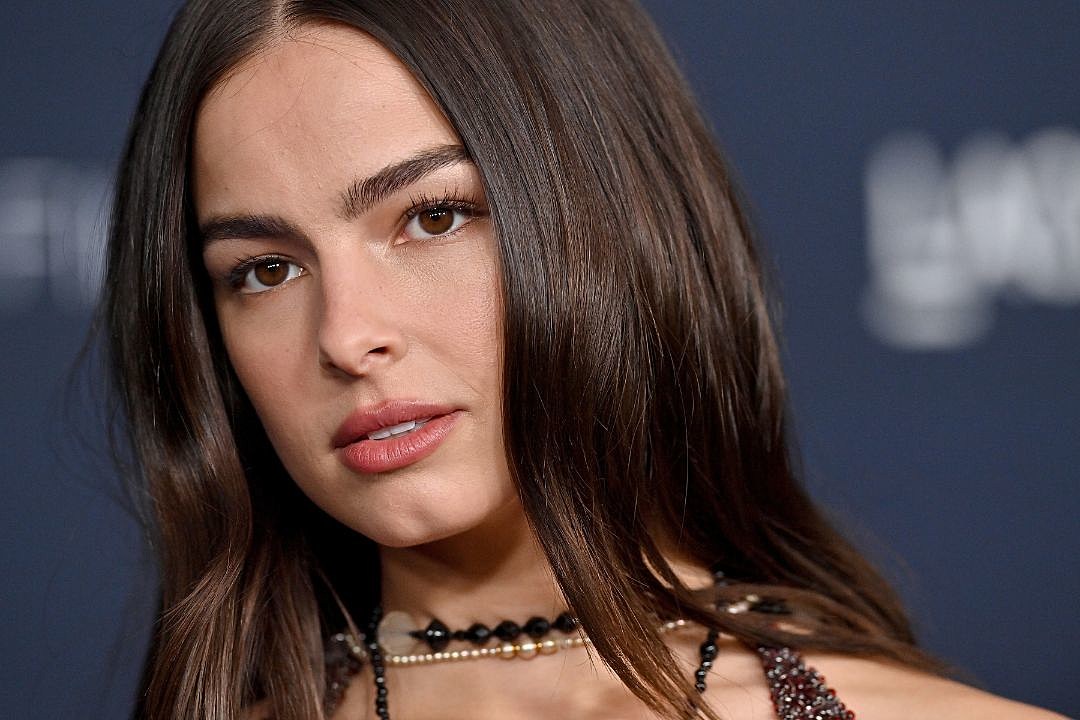
Addison Rae
Addison Rae is a popular social media personality, actress, and singer. She first became famous on TikTok by sharing dance videos. Millions of people followed her content. Over time, she expanded into music, acting, and fashion.
Because she has such a large online presence, her name appears often in search trends. Fame brings attention, but it also brings risk. Public figures are common targets for edited images, rumors, and digital manipulation.
When people search for addison rae deepfake, they are usually looking for AI-generated content that falsely uses her face or likeness. It is important to remember that celebrities are real people. They deserve privacy and respect just like anyone else.
What Is a Deepfake?
A deepfake is fake media created using artificial intelligence. It can change a person’s face, voice, or movements in a video. The result can look very real, even though it is not.
Deepfake technology works by studying many photos or videos of someone. The AI learns how their face moves. Then it places that face onto another person’s body in a different video.
At first, deepfakes were used for entertainment and movie effects. Some creators used them for comedy or special effects. But the same technology can be misused.
When connected to searches like addison rae deepfake, it often refers to content created without permission. That is where serious ethical problems begin.
Why Is “Addison Rae Deepfake” Trending?
Search trends often grow because of curiosity. When a famous person’s name appears next to a shocking term, people click.
The phrase addison rae deepfake likely trends due to online rumors, misleading posts, or viral content. Social media platforms push trending topics quickly. Even false information can spread fast.
Many people may not realize that clicking or sharing such content helps it spread further. Algorithms reward engagement, not truth.
This shows how powerful online behavior can be. What we search and share shapes what becomes popular.
How Deepfake Technology Actually Works
Deepfake systems use machine learning models. These models are trained on many images and videos. The AI studies facial expressions, lighting, and angles.
After learning patterns, the system can map one person’s face onto another video. It blends movements and adjusts lighting to make it look natural.
The more public photos available, the easier it is for AI to copy someone’s appearance. Celebrities like Addison Rae have thousands of public images. That makes them easier targets for misuse.
When discussing addison rae deepfake, it is important to understand that these videos are computer-generated. They are not real events.
The Real Harm Behind Deepfakes
Deepfakes may seem like digital tricks, but they can cause real damage. Emotional stress is one major impact. Imagine seeing your face in a video you never made. That would feel upsetting and scary.
For public figures, fake content can harm their reputation. Even if proven false, some people may still believe it.
The addison rae deepfake trend highlights a bigger issue. Many deepfakes target women without consent. This raises serious ethical concerns.
Behind every manipulated image is a real person who did not agree to it. Respecting consent should always come first.
Legal Issues Around Deepfake Content
Laws about deepfakes are still developing. Some regions have created rules against non-consensual AI-generated content. Others are still working on policies.
In parts of the United States, certain states allow victims to take legal action. Platforms may remove harmful content if reported.
However, once something spreads online, it can be difficult to remove completely. That makes prevention very important.
The attention around addison rae deepfake shows why stronger digital laws and awareness are needed.
The Role of Social Media Platforms
Social media plays a big role in how deepfakes spread. A single post can reach millions of people in hours. Platforms use algorithms to recommend trending content.
When a term like addison rae deepfake gains attention, related posts may appear more often. This increases visibility.
Many platforms now say they ban non-consensual deepfakes. They use AI tools to detect fake content. Still, no system is perfect.
Users also share responsibility. Reporting harmful posts and avoiding suspicious links helps reduce harm.
How to Spot a Deepfake
Deepfakes can look realistic, but there are clues.
Look for unusual blinking or stiff facial movements. Notice if lighting on the face does not match the body. Check if the voice sounds robotic or slightly out of sync.
Pay attention to the source. Is it from a trusted news outlet? Or an unknown account?
When you see shocking material linked to addison rae deepfake, pause before reacting. Ask questions. Verify facts. Do not share without checking.
Critical thinking is one of the best tools online.
The Emotional Impact on Celebrities
Celebrities may seem distant, but they have feelings too. They read comments. They see trending searches.
False AI content can cause anxiety and stress. It can also affect brand partnerships and career opportunities.
Many public figures stay silent to avoid giving attention to rumors. Silence does not mean acceptance.
The conversation around addison rae deepfake should focus on empathy. Digital actions have real emotional effects.
AI Ethics and Responsibility
Artificial intelligence is powerful. It can help in medicine, education, and entertainment. But it must be used responsibly.
Ethical AI means respecting privacy and consent. It means building safeguards to prevent abuse.
The addison rae deepfake trend reminds us that technology itself is neutral. Human choices determine whether it helps or harms.
We all play a role in shaping online culture. Responsible behavior creates a safer internet.
How to Protect Yourself Online
Deepfake risks do not only affect celebrities. Anyone with public photos can be targeted.
Here are simple ways to stay safer:
-
Keep social media accounts private when possible.
-
Limit sharing high-resolution images.
-
Use privacy settings wisely.
-
Monitor your name in search results occasionally.
-
Report suspicious content quickly.
Teaching young users about digital literacy is also important. Awareness reduces confusion and fear.
What To Do If You See Harmful Content
If you come across suspicious material linked to addison rae deepfake, do not share it. Sharing increases its reach.
Instead, report it through the platform’s reporting system. Most sites have clear steps for this.
Avoid blaming the victim. They did not create the fake content.
Choosing not to engage with harmful material is powerful. Small actions help build a healthier digital space.
Frequently Asked Questions
1. What does “addison rae deepfake” mean?
It usually refers to AI-generated content that falsely uses Addison Rae’s face or identity. These videos or images are not real.
2. Are deepfakes always fake?
Yes. Deepfakes are created by artificial intelligence. They are designed to look real but are digitally manipulated.
3. Is making deepfakes illegal?
It depends on local laws and the purpose. Non-consensual or harmful deepfakes may be illegal in some regions.
4. Why are celebrities targeted more often?
Celebrities have many public photos online. This makes it easier for AI systems to copy their faces.
5. How can I check if a viral video is fake?
Look for visual glitches, check trusted news sources, and verify before sharing.
6. Can deepfake technology ever be used positively?
Yes. It can be used in movies, education, and creative projects when done ethically and with consent.
Final Thoughts: Choose Awareness and Respect
The phrase addison rae deepfake may seem like just another search trend. But it represents a larger issue about AI, privacy, and respect.
We live in a time when technology can blur reality. That makes digital responsibility more important than ever. Before clicking or sharing, pause and think.
Ask yourself: Is this respectful? Is this verified? Am I helping or harming?
Celebrities like Addison Rae are human beings first. They deserve dignity and fairness.
